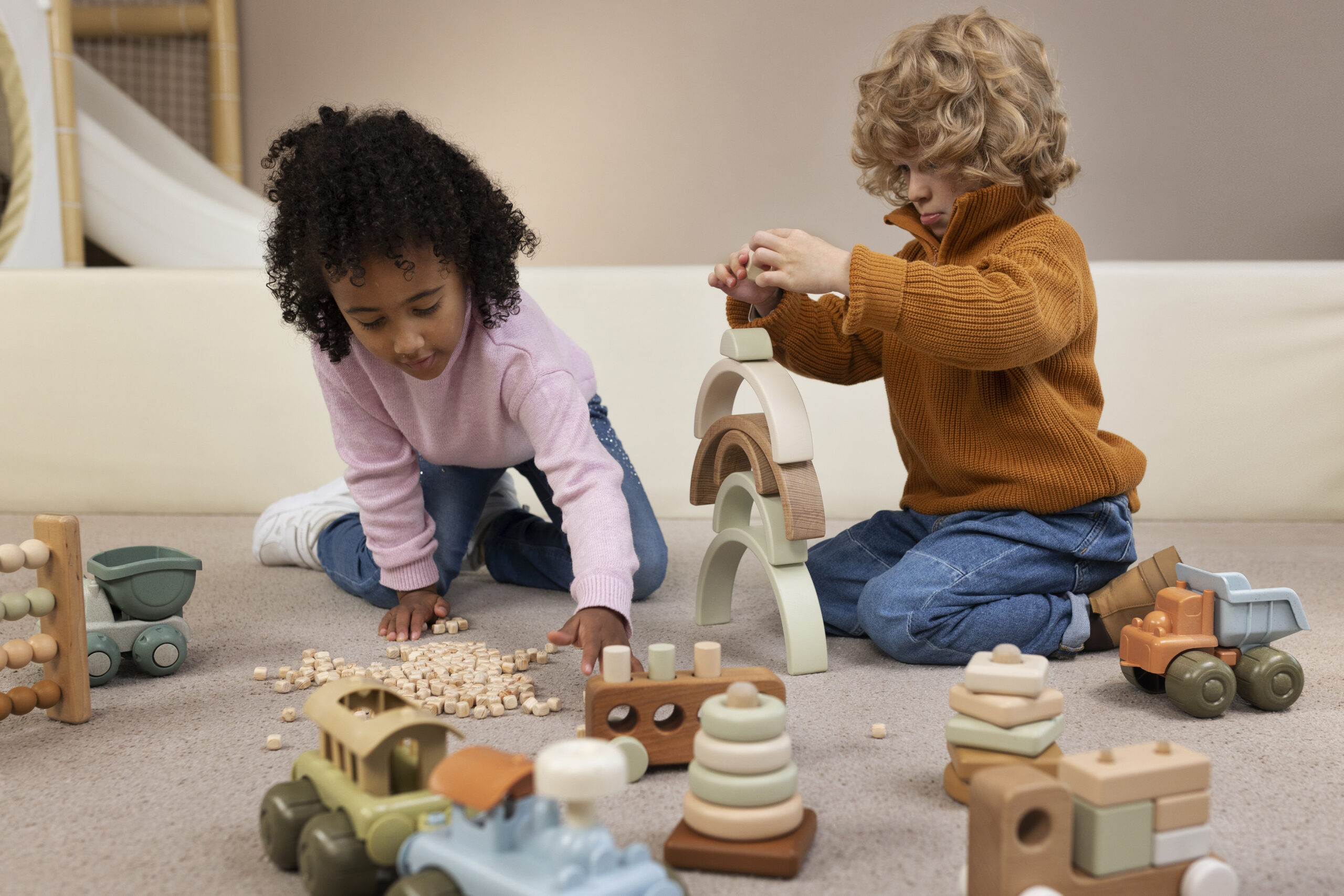
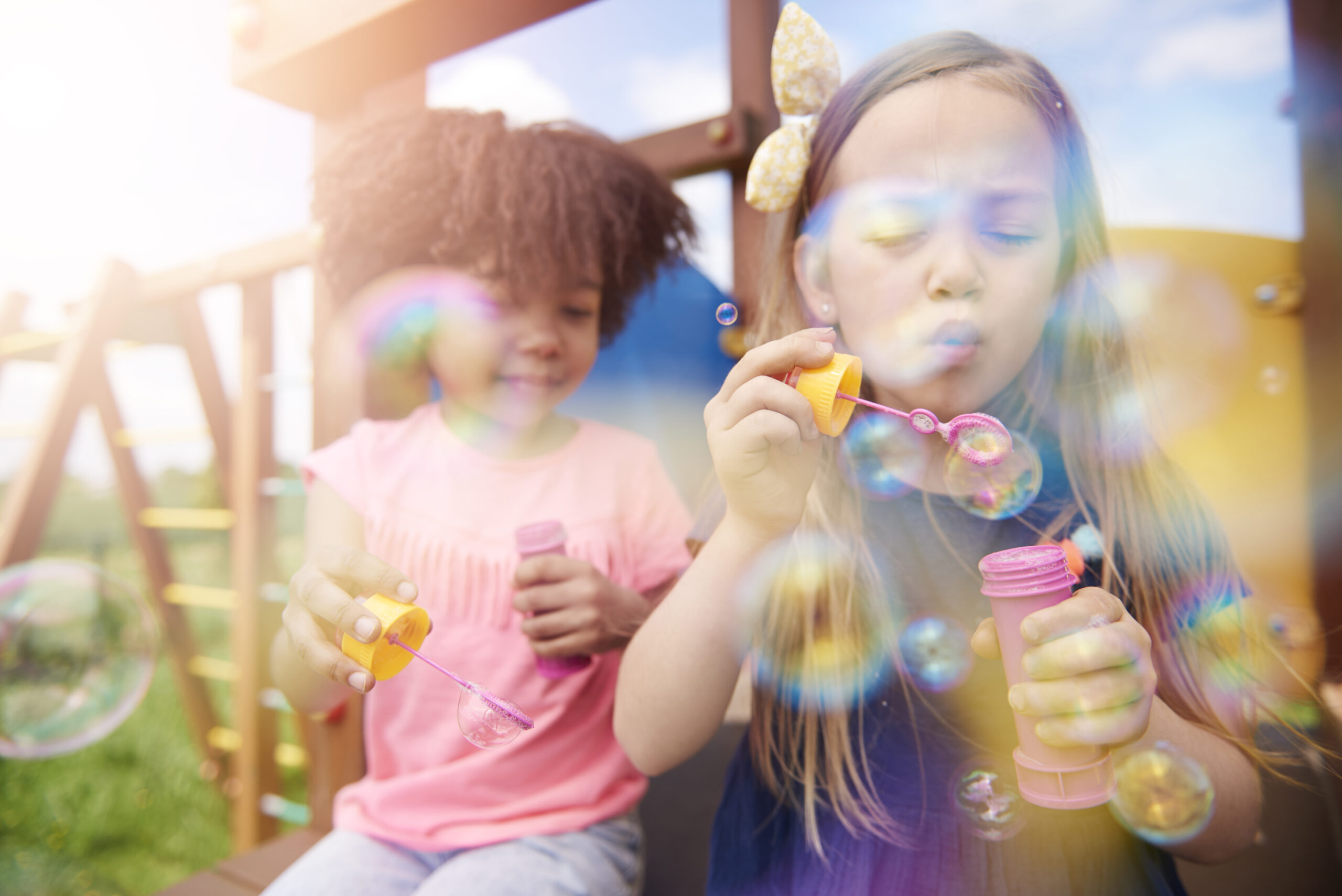
At Tiny Toez, we strongly believe that every child should see themselves reflected in society around them. From the toys they play with, to the books they read and the stories they hear, representation matters.
Children begin to make sense of who they are, and who others are, from a very young age. When they see their own culture, passions or family structure reflected positively in their environment, it helps them build confidence. In this blog, we explore why diversity in early years settings truly matters, how nurseries can help bridge the representation gap, and ways to celebrate different cultures.
Introducing diversity at nursery
Introducing diversity and inclusivity is really all about being fully aware of each individual child that steps through the door. One of the great things about working in our nurseries is that every day we welcome families from all walks of life. Our community is made up of many different cultures, religions, backgrounds, and family units giving us all the opportunity to experience and learn about other people.
Celebrating diversity is especially important as it introduces cultures and customs that children may not have been exposed to yet. Taking time to help children understand similarities and differences from their early years is crucial and has a direct impact on the opinions they will form throughout life.
The role of early years educators
Every interaction children have with adults helps shape their understanding of the world and the people around them. While parents and carers are often the first and most obvious influencers, early years settings play an important role in introducing and expanding children’s curiosity to explore diversity and challenge stereotypes.
Our team creates these experiences in many everyday ways. Through our diverse collection of books, we read stories of characters from all over the world and encourage conversation while reading. It’s also really important to us that we celebrate festivals and holidays from other cultures and it’s a really fun way to teach our little ones.
One way is to prepare and cook different meals from around the world and let the children get involved as well. For example, celebrating Diwali, the Hindu festival of lights, could involve making a variety of new meals like simple vegetarian samosas or Aloo Chaat together. The children can help with safe tasks like mixing fillings or shaping pastries.
Working with families and the community
Diversity doesn’t stop at the nursery door. The most powerful lessons happen when families and communities are part of the learning journey. Bringing parents in to share stories, songs or recipes from home helps children see that their culture is valued and that everyone is interested in learning. It also helps build trust between educators and families. From inviting families to talk about special holidays to displaying family photos in play spaces, these moments make a lasting impact on children’s sense of identity and belonging.
Activities that bring diversity to life
At Tiny Toez we know that children learn best when they can experience things hands-on. Activities are a fun and meaningful way to introduce different cultures and traditions in ways that feel natural and engaging. Some of the ways to do this include:
● Setting up a mini world exploration table with items such as globes, flags, traditional fabrics and musical instruments so children can discover how big and varied the world is.
● Stocking role-play areas with toys, figures, clothing and props from different cultures so children see themselves and others reflected in their imaginative play.
● Sharing stories and books that celebrate different family structures, festivals and experiences.
● Introducing crafts, music, dance and interactive games that teach them about traditions from around the world.
● Using arts to celebrate important global days by making rangoli patterns with coloured rice, paper lanterns for Lunar New Year or friendship bracelets for World Culture Day.
Looking ahead
At Tiny Toez we see diversity as something to celebrate every single day. It lives in everything we do with the children and their families.
Our nurseries are places where every child feels seen and valued. They learn that there is beauty in every culture and every family. When they share their traditions, laugh together and recognise themselves in the world around them, they begin to understand what true belonging feels like.
Inclusion is not a policy for us, it is part of who we are. As our children continue to show us new ways to see the world, we will keep learning, celebrating and growing together.