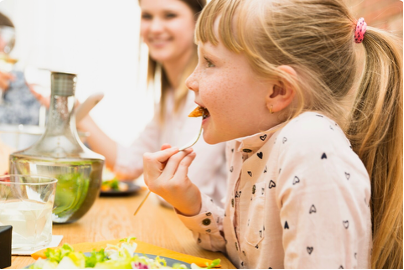
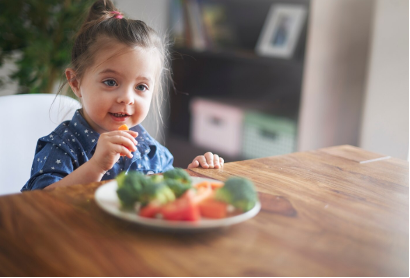
Food is such a central part of children’s growth. Balanced and nutritious meals support healthy cognitive and physical development which is why it is so important to create an enjoyable mealtime experience.
At our nurseries we make a huge effort to involve children in many mealtime activities so they can learn for themselves what foods are healthy and the life long benefits of them.
In this blog, I’m sharing some of my top tips for childcare settings around creating a positive and enjoyable mealtime experience for children at nursery. These tips can also be replicated at home where possible.
Dine and discuss
Sharing conversations during meals is a fantastic way to introduce and enjoy different foods with children and it’s an essential social skill. Often, when children eat together, they engage in natural conversations that help them build confidence, develop vocabulary, and learn to listen and take turns. These shared moments also encourage curiosity about different foods and can be a game changer when it comes to helping children who are a little more unsure.
Educators can sit and eat alongside the children, modelling positive conversation and showing interest in what they have to say. Asking open-ended questions such as “What’s your favourite thing about lunch today?” or “Can you tell me about what you did this morning?” helps spark natural dialogue. Keeping group sizes small at each table also gives everyone a chance to speak and listen without feeling rushed.
Establish a consistent mealtime routine
Having a clear structure around meals helps young children feel secure and understand what to expect throughout the day. Aim to provide three main meals and two snack times, ensuring there’s a good balance of variety and nutrition. Including a healthy pudding with lunch or tea can be a great way to add extra energy and nutrients, as long as it’s based on wholesome ingredients rather than sugary treats.
Keeping a regular gap between meals and snacks allows children to build a healthy appetite and enjoy plenty of time for active play and exploration between eating times. Mealtimes should generally last around 30 minutes.
Variety
Children are naturally drawn to familiar foods, but developing healthy eating habits means introducing a wide range of tastes, textures, and flavours from an early age. Regularly offering new and seasonal foods helps build flexibility and encourages balanced nutrition, even if favourites remain part of the routine.
It can take time before a child accepts a new food, so keep offering it without pressure and come back to it later if needed. Exposure to new tastes doesn’t have to happen only while eating. Involving children in cooking, growing, or even playing with food helps build curiosity and comfort. The more positive and varied their experiences, the more open they’ll become to trying new things.
Some tips to make this easier at nursery and at home:
- Show foods in different ways such as chopped, mashed, or combined with other ingredients to keep meals interesting.
- Encourage children to talk about what they see, smell, and feel during mealtimes to make food exploration more engaging.
- Create themed days or seasonal menus to gently introduce new ingredients and talk about the changing seasons, relating it back to food.
Encourage Independence
Giving children opportunities to take charge of small tasks at mealtimes can also have a big impact on their confidence and practical skills. If age appropriate, serving their own food, pouring drinks, or helping tidy up after eating allows them to feel involved and valued in the daily routine.
These responsibilities help them develop coordination, practise making choices about what and how much to eat, and understand the rhythm of a mealtime. Over time, children learn to listen to their own hunger cues and develop a sense of ownership over their eating habits, making mealtimes both empowering and enjoyable.
Get staff fully involved
At Tiny Toez, our team loves getting fully involved in mealtimes, bringing energy, creativity to mealtimes. Whether it’s sharing their ideas on menus or watching children sit, laugh, and enjoy their food, staff play an important role in making food a fun experience for all.