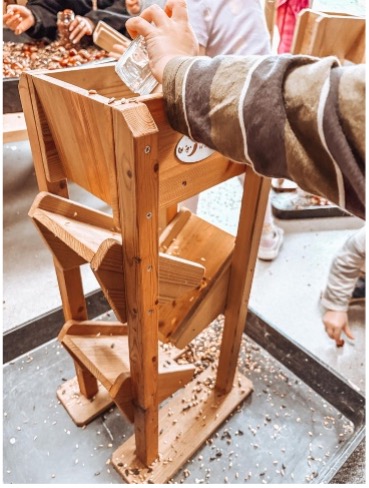
Autumn is one of the richest and most inspiring seasons. It really is a wonderful time for children and a perfect opportunity to bring early years education to life.
The crunch of fallen leaves, the bright orange of pumpkins, and the earthy smells of damp soil provide endless fun for children to explore the world around them. It is a time for nurseries to introduce sustainable practices that reduce waste while giving children valuable, hands-on learning experiences. By linking activities to the EYFS framework, educators can bring sustainability into everyday practice in ways that directly support children’s development.
Why sustainability matters in the early years
Children are naturally curious about their surroundings and are keen to move around and explore. When nurseries model sustainable behaviours, children begin to develop a sense of care and responsibility for the natural world around them. These values connect closely with the Understanding the World area of the EYFS, which encourages children to notice patterns, changes, and relationships in their environment.
Practical activities that focus on sustainability also encourage creativity, problem-solving, and social skills. As well as helping children to appreciate the world around them, they support other areas of learning such as communication, critical thinking, independence, social and emotional development, and expression.
We wanted to share some of the ways that children can get knee deep into the fun of sustainability at nursery and at home.
Growing creative problem-solvers
Sustainability presents children with real-life challenges that require critical thinking and problem-solving skills. Through hands-on activities and conversations, children learn to tackle environmental issues, consider different perspectives from their peers and educators, and develop creative solutions. Not only will these skills give children an understanding of environmental challenges, but they will also support problem-solving abilities in other areas of life.
When children are given opportunities to explore sustainability, they begin to see how their actions connect to the wider world. For example, recycling projects or gardening activities can spark conversations about resource use, responsibility, and long-term impact. These experiences encourage children to think beyond immediate outcomes and explore cause and effect relationships. Over time, children build resilience, learn how to collaborate effectively, and strengthen their ability to evaluate information before making decisions. This kind of problem-solving practice is invaluable, as it prepares them for navigating future personal and professional challenges with confidence.
Turning waste into learning with a leaf compost
One of the simplest ways to make use of autumn resources is to start a composting project. Collecting fallen leaves from our garden or a nearby park is fun and active. All you need is a small compost bin or heap in a corner of the outdoor space and let the children run around and add leaves, fruit peelings and other green waste. Over time they can watch these materials change and eventually transform into rich compost. A bonus to using your own container or bin is that you can get the children to paint or draw on it, bringing creative arts into the project.
There are so many other lessons that go along with this activity. Children learn some early science by watching the leaves change. They also learn responsibility from looking after the compost heap and keeping the space clean and tidy.
Bringing nature indoors
While outdoor experiences are important, the autumnal months can also inspire sustainable learning inside the setting and at home. Natural materials such as pinecones, conkers, sticks, and dried leaves can be brought indoors for a variety of activities.
These resources are not only freely available but also reusable, which helps reduce the need for single-use craft supplies. Children can use them to create seasonal pictures and collages, sort by size and shape, or even use them as counting aids during some simple maths activities. They can also use leaves to make rubbings with crayons or create leaf prints using natural dyes or paints. These open-ended activities allow children to use their imagination while connecting with nature in a calm, focused way.
Engaging with natural materials helps children develop fine motor skills, attention to detail, and sensory awareness while also encouraging their creative side to explore, experiment, and express ideas. Having regular conversations about the environment deepens their understanding how our actions directly impact the world around them.
We as educators understand the importance of bringing sustainability into our curriculum and day-to-day activities. It is an integral part of our early years education at Tiny Toez and one of our core values.
Understanding the world in EYFS
Understanding the World is one of the seven key areas of learning within the EYFS framework. Previously referred to as Knowledge and Understanding of the World in earlier versions of the EYFS, this area focuses on helping children develop a deeper awareness of their surroundings.
Divided into three strands, Understanding the World encourages children to make sense of their physical environment and community through hands-on exploration, observation, and investigation.
To support this area of learning, educators can introduce a variety of engaging and meaningful activities, many of which can be done at home or out and about:
- Use nature walks to see the seasonal changes of autumn.
- Observing animals and insects in the garden or local park.
- Planting and growing plants from seeds and using this opportunity to discuss their life cycle.
- Using magnifying glasses to check out leaves, soil, and small creatures.
- Discussing where food comes from and how it reaches our plates. A great opportunity to also get them preparing and cooking alongside you.
- Reading books about the natural world, animals, and our responsibility to care for the environment.
- Learning about recycling and the importance of looking after our planet.
- For global learning, you can take a look at maps, globes, or images of different countries and environments.
- Looking at pictures or videos of people, homes, and traditions from around the world introduces children to the wonderful variety of cultures.
- Celebrating different international holidays and celebrations.
We are in the middle of a fantastically colourful season that gives children lots of opportunities to connect with nature, the environment, and the values of sustainability. Through the EYFS framework, sustainability becomes part of everyday learning. Whether indoors or outdoors, at nursery or at home, children begin to see how their actions have meaning, how communities are connected, and how even the smallest hands can make a difference. At Tiny Toez, we believe that these little leaves bring big lessons.